Roof coatings are often marketed as a simple protective layer—an elastomeric skin that shields the system from ultraviolet radiation, wind, and precipitation. But coatings also influence something less obvious: the way a building manages internal moisture and attic ventilation. When roof coatings are applied without accounting for vapor movement and airflow pathways, they can inadvertently trap moisture, reduce drying potential, and shorten roof lifespan. When applied strategically, however, coatings become part of a holistic moisture control system that works with, rather than against, ventilation.
Vapor Pressure and the Drying Potential of Roof Assemblies
Every roof assembly has a “drying direction”—a preferred path through which trapped moisture, humidity, or vapor can escape. Some assemblies dry upward through the roof surface; others dry downward into conditioned or ventilated spaces. Elastomeric coatings can reduce permeability across the top plane of the roof, altering that drying direction. If upward drying is restricted but downward ventilation isn’t improved, condensation can accumulate in sheathing layers, insulation, or rafters. Seasonal temperature swings amplify this risk, especially in colder climates where warm interior air meets cold surfaces inside the roof assembly and forms condensate.
The Ventilation Equation: Intake, Exhaust, and Air Pathways
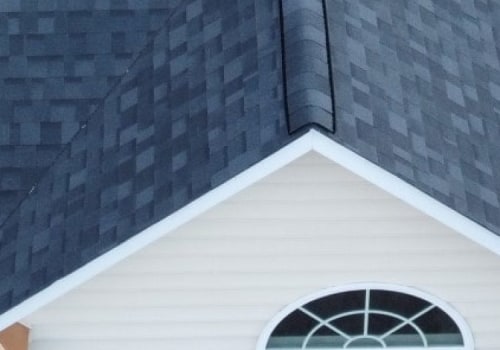
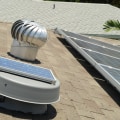
Ventilation systems—especially in attic-style roofs—depend on balanced intake and exhaust. Ridge vents, soffit vents, and baffles allow air movement that carries moisture away from the building envelope. When a roof coating reduces thermal load on the surface, it can improve the convection patterns that drive ventilation. Cooler roof surfaces decrease attic overheating in summer, lowering relative humidity levels and reducing mold risk. But these benefits only materialize when ventilation pathways are unblocked and sized appropriately; otherwise, coatings can slow drying rates without delivering improved airflow.
Coatings as Part of a Moisture Strategy, Not a Standalone Fix
Moisture-related failures on coated roofs usually occur when coatings are treated as a cure-all. Ponding water, blocked drains, oversaturated insulation, or missing soffit ventilation cannot be solved with a coating alone. In fact, coatings can obscure early signs of moisture imbalance—like fastener rusting, blistering from vapor pressure, or discoloration caused by biological growth. Restoration-oriented roofing firms often treat coatings as one component in a larger sequencing strategy that includes drainage evaluation, air sealing, vapor control, insulation adjustments, and attic ventilation checks. Companies like Craftsman Roofing Company approach coatings through this integrative lens, ensuring that airflow and moisture management are calibrated before application.
Climate Matters More Than People Realize
Climate shapes how coatings, ventilation, and moisture interact. In hot-humid regions, coatings may help reduce solar gain and mitigate attic humidity, while in cold-dry climates they may restrict drying potential during freeze-thaw cycles. Mixed climates complicate matters even further, requiring assemblies that can dry in both directions depending on the season. The smartest contractors tailor coatings not just to a roof, but to the building and the climate that roof lives in.
The Takeaway: Compatibility Equals Longevity
Roof coatings succeed when they complement ventilation and moisture control instead of competing with them. By respecting the physics of vapor movement, airflow, and temperature, coatings become a long-term performance upgrade rather than a premature failure point.