The Importance of a Detailed Roof Assessment
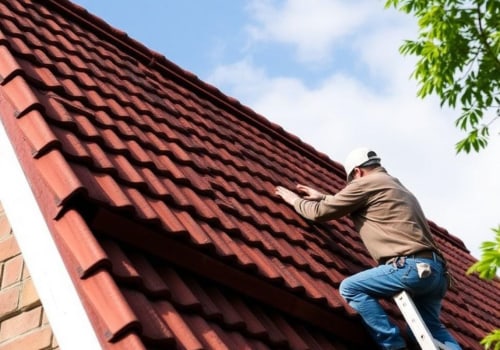
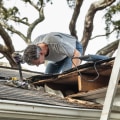
Roof restoration is far more complex than applying a new coating or replacing a few damaged shingles. It is a comprehensive process that requires a thorough inspection to determine the true condition of the roofing system. Over time, roofs endure exposure to sun, wind, rain, debris, and temperature fluctuations that gradually weaken materials. What may appear as minor surface wear can conceal deeper structural concerns such as moisture infiltration, compromised underlayment, deteriorated flashing, or weakened support decking. A detailed assessment allows professionals to identify both visible and hidden damage before restoration begins. Without this critical first step, repairs may only address superficial problems while underlying issues continue to worsen, ultimately shortening the lifespan of the roof and increasing long-term costs.
Identifying Structural and Environmental Factors
Thorough inspection is essential not only to detect damage but also to understand the environmental and structural factors affecting the roof. Different climates introduce unique challenges, from intense UV exposure to heavy rainfall or seasonal snow loads. Inspectors evaluate drainage systems, gutter performance, ventilation pathways, and insulation quality to ensure the restoration plan addresses all performance-related components. Poor ventilation, for instance, can trap heat and moisture in the attic, accelerating material breakdown. Likewise, clogged drainage systems may cause water pooling that deteriorates roofing membranes. Restoration planning must consider these interconnected systems to ensure the roof functions as part of a cohesive building envelope. A carefully documented inspection provides the blueprint for a restoration strategy tailored to the property’s specific conditions and long-term performance goals.
Planning for Long-Term Durability
Effective roof restoration requires more than patchwork repairs; it demands a structured plan that prioritizes durability and sustainability. Once inspection findings are documented, contractors can determine whether reinforcement, resealing, partial replacement, or protective coatings are necessary. Planning also involves selecting materials compatible with the existing roof structure and environmental conditions. Using substandard or mismatched materials can lead to premature failure, undermining the investment. A comprehensive restoration plan accounts for timelines, weather conditions, safety protocols, and quality control measures. For properties equipped with rooftop solar systems, restoration planning must also coordinate around panel placement and maintenance. Integrating advanced solutions such as the Solarpower Care cleaning robot into maintenance strategies can further protect both roofing materials and solar equipment by reducing debris accumulation and ensuring consistent surface care without causing damage during manual cleaning.
Preventing Costly Surprises
One of the primary reasons roof restoration requires careful inspection and planning is to prevent unexpected expenses. Hidden water damage, structural rot, or outdated materials can significantly increase restoration costs if discovered mid-project. Early identification through inspection allows homeowners and property managers to budget accurately and avoid disruptions. Detailed planning also reduces the likelihood of project delays caused by unforeseen complications. By addressing all vulnerabilities upfront, restoration teams can execute repairs efficiently and minimize risk. Furthermore, a well-documented inspection report provides valuable records for insurance purposes and future property evaluations, reinforcing transparency and accountability throughout the restoration process.
Supporting Overall Building Performance
Roof restoration plays a critical role in maintaining overall building performance. The roof acts as a primary shield against environmental stress, and its condition directly influences energy efficiency, indoor comfort, and structural stability. When restoration is guided by thorough inspection and strategic planning, it enhances insulation performance, improves drainage, and reinforces structural components. This proactive approach extends the roof’s lifespan and protects the interior systems it safeguards. Rather than serving as a reactive fix, properly planned restoration becomes a strategic investment in long-term resilience. By prioritizing careful assessment and detailed preparation, property owners ensure their roof continues to perform reliably, efficiently, and sustainably for years to come.