When homeowners think of roof restoration, they often picture shingle replacement, sealing, or flashing repair. While those are essential components, one critical step is often overlooked—proper cleaning before and after the work begins. Soft washing isn’t just about making your roof look better; it plays a key role in preserving the structural integrity of your roofing system. During home cleanup or renovation, especially when roof restoration is part of the plan, incorporating soft washing both before and after the project can significantly improve durability, energy efficiency, and overall performance.
The Importance of Pre-Restoration Cleaning
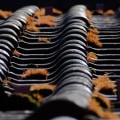
Before a roof can be restored, it needs to be assessed. However, moss, algae, and years of accumulated grime can mask damage or give the illusion of deterioration where none exists. Soft washing uses low-pressure water combined with specialized, biodegradable cleaning agents to gently lift away organic buildup without damaging the shingles or underlying materials. This method allows contractors to clearly inspect the surface and underlying structure without interference. Cleaning also removes hidden debris around flashing, vents, and ridge lines—areas that are prone to leaks but hard to assess when covered in dirt or moss.
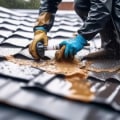
Additionally, soft washing creates a better bonding surface for adhesives and sealants. If restoration involves applying new coatings or reinforcing seams, a dirty roof surface can lead to poor adhesion and premature failure. Simply put, no amount of expert craftsmanship can make up for starting a job on a contaminated surface. For these reasons, roofers and renovation experts increasingly recommend soft washing as the first step in any restoration process.
Post-Restoration Protection
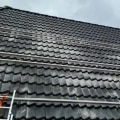
Once your roof restoration is complete, soft washing remains just as important. Over time, exposure to moisture, plant debris, and air pollution begins to wear on the new materials. Soft washing as part of routine home maintenance helps maintain your roof’s aesthetic while also preventing structural threats like algae regrowth, mold development, and lichen intrusion—all of which can eat away at shingles and underlayment. Clean surfaces are also less likely to retain water, meaning reduced risk of warping, rot, and freeze-thaw damage in colder months.
Some soft wash services also include specialty treatments like hard water stain removal, which can be particularly useful after roof work that involves mineral-heavy runoff from nearby masonry or gutters. These stains not only look unsightly but can bond with your new roofing materials, making them harder to clean down the line. Treating these issues early helps preserve the value and appearance of your restoration investment.
Soft Washing in the Context of Home Renovation
If you’re already undertaking a home renovation—whether it's interior upgrades or exterior improvements—roof care should be part of the plan. Ignoring the roof until it visibly deteriorates can undermine your other investments, especially if leaks or insulation damage results from overlooked grime. Soft washing is a simple, preventative measure that fits seamlessly into any renovation schedule and offers long-term savings by extending the lifespan of materials.
Final Thoughts: More Than Just Clean
Soft washing is more than a cosmetic upgrade; it’s a foundational part of smart roof maintenance and restoration. By protecting the structural layers of your roof before and after restoration, it helps ensure that your investment lasts longer, performs better, and keeps your home safe from the top down.