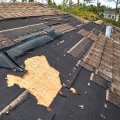
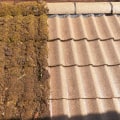
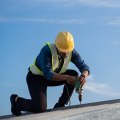
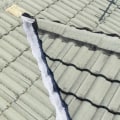
Roof restoration can be a practical way to extend the life of an existing roofing system while reducing the risk of more serious damage later. Small problems such as cracked shingles, loose flashing, worn sealants, minor leaks, or surface deterioration may not seem urgent at first, but they can gradually allow water to enter the roof structure. Once moisture reaches the decking, insulation, or framing, repair costs can increase significantly. Restoring damaged areas early can help prevent these minor concerns from developing into larger structural problems that require extensive work.
Improving Water Resistance
One of the main goals of roof restoration is improving the roof’s ability to keep water out. Over time, roofing materials can become less effective because of weather exposure, temperature changes, wind, and general aging. Restoration may involve sealing vulnerable areas, replacing damaged components, repairing flashing, or applying protective coatings when appropriate. A contractor such as Home Pro Roofing Syracuse may also inspect areas where water tends to collect or enter, helping identify weaknesses before they lead to more serious leaks. Improving water resistance can help protect both the roof and the interior of the property.
Protecting the Roof Deck
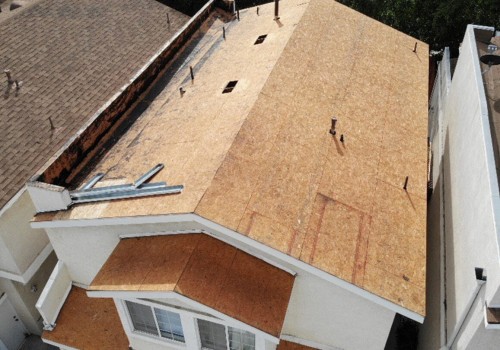
The roof deck provides structural support beneath shingles or other exterior materials. When water reaches the deck, it can cause wood to soften, swell, rot, or lose strength. Replacing sections of damaged decking can be much more expensive than correcting a small leak before moisture spreads. Roof restoration helps maintain the protective layers above the deck and reduces prolonged exposure to water. By preserving this underlying structure, property owners may also avoid the added expense of major tear-outs or rebuilding work in the future.
Maintaining Flashing and Roof Penetrations
Flashing is used around chimneys, vents, skylights, valleys, and other areas where sections of the roof meet. These locations are common sources of leaks when flashing becomes loose, cracked, corroded, or poorly sealed. Restoration work often includes checking these vulnerable points and making necessary repairs. Roof penetrations may also need resealing to keep water from entering around pipes or vents. Maintaining these details can help prevent localized moisture problems from turning into widespread damage.
Reducing the Risk of Interior Damage
Roof problems do not always stay confined to the exterior of a building. Even a small leak can eventually damage ceilings, walls, insulation, flooring, and electrical components. Moisture may also contribute to mold and mildew if it remains hidden for an extended period. Roof restoration can reduce the likelihood of interior damage by correcting exterior weaknesses before water reaches occupied spaces. This preventative approach may save property owners from paying for both roofing repairs and extensive interior restoration.
Supporting Better Drainage
Proper drainage is another important part of roof protection. Clogged gutters, damaged downspouts, poor roof slopes, or debris buildup can cause water to remain on or near roofing materials longer than intended. During restoration, drainage components can be inspected and corrected when necessary. Keeping water moving efficiently away from the roof helps reduce pressure on seams, edges, and flashing. Better drainage can also protect siding, foundations, and landscaping from excessive runoff.
Extending the Useful Life of the Roof
Replacing an entire roof can be a significant expense, especially when large portions of the existing system are still in serviceable condition. Restoration may help extend the roof’s useful life by addressing worn sections, improving protection, and correcting maintenance issues. While restoration is not appropriate for every roof, it can sometimes delay the need for full replacement and provide additional years of reliable performance. Regular inspections can help determine whether restoration remains a practical option.
Preventing Emergency Repairs
Emergency roofing problems often occur after existing weaknesses are exposed to heavy rain, strong winds, snow, or other severe weather. Emergency repairs can be more disruptive and may cost more than planned maintenance. Roof restoration allows property owners to address known concerns under more controlled conditions instead of waiting for a sudden failure. By maintaining roofing materials, drainage systems, flashing, and protective barriers, property owners can reduce the likelihood of unexpected damage and avoid more costly repairs later.