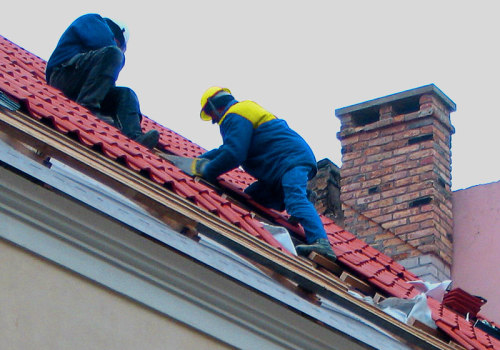
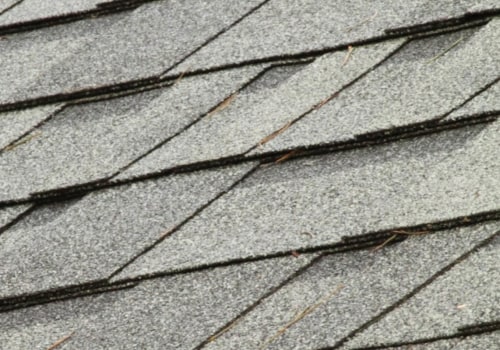
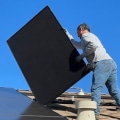
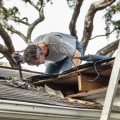
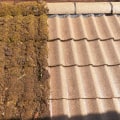
Roof restoration is more than just replacing shingles or sealing leaks; it is a comprehensive effort to protect your home from top to bottom. While the primary focus may be on repairing worn materials, reinforcing flashing, and addressing structural concerns, true protection involves evaluating how every component of the roofing system works together. Your roof is the first line of defense against wind, rain, heat, and debris. When it begins to show signs of aging—such as curling shingles, discoloration, or minor leaks—it’s essential to act quickly. However, restoration should not stop at surface-level fixes. A thorough approach ensures that underlying decking, ventilation systems, and drainage components are all functioning properly to prevent future damage.
Safeguarding Structural Integrity
One of the most important aspects of roof restoration is protecting the structural integrity of your home. Moisture intrusion can weaken roof decking, rot wooden supports, and compromise insulation. During restoration, contractors often inspect for hidden water damage that may not be visible from the ground. Reinforcing vulnerable areas, replacing compromised wood, and sealing entry points for water are crucial steps in preserving the home’s framework. Additionally, proper attic ventilation plays a significant role in maintaining roof health. Without balanced airflow, heat and moisture can build up, leading to mold growth and premature material deterioration. Ensuring ventilation systems are optimized during restoration helps extend the life of your new roofing materials.
Managing Water Flow Effectively
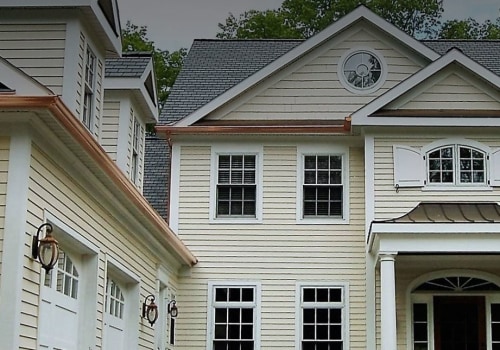
Water management is a key factor in protecting your home during and after roof restoration. Even the highest-quality roofing materials cannot perform effectively if water is not directed away from the structure. Gutters and downspouts channel rainwater safely off the roof and away from the foundation. If these systems are outdated, damaged, or improperly installed, they can undermine the entire restoration effort. Homeowners often take this opportunity to evaluate their drainage system and, in some cases, consult a seamless gutter installer in Hilton Head Island, SC to enhance efficiency and durability. Seamless designs reduce the risk of leaks at joints and provide a cleaner appearance, contributing to both function and curb appeal.
Protecting Siding, Landscaping, and Foundation
Roof restoration also impacts areas beyond the roofline. Improper drainage can lead to water cascading down exterior walls, staining siding, and eroding landscaping. Over time, repeated exposure to excess moisture can damage paint, encourage mold growth, and weaken structural components. Even more concerning, water that pools near the foundation can seep into basements or crawl spaces, causing long-term issues that are costly to repair. By addressing drainage and runoff during roof restoration, homeowners can protect the entire exterior envelope of the home.
Enhancing Energy Efficiency and Longevity
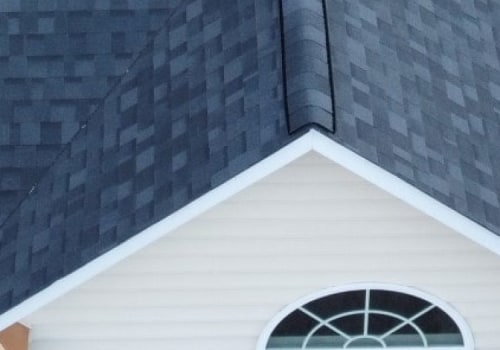
A well-executed roof restoration does more than prevent leaks—it improves overall energy efficiency. Modern roofing materials often feature reflective coatings that reduce heat absorption, helping to maintain consistent indoor temperatures. When combined with proper insulation and ventilation, these upgrades can lower energy costs and increase comfort year-round. Taking a comprehensive approach ensures that every layer, from shingles to underlayment, works cohesively to shield the home from environmental stress.
A Comprehensive Approach for Lasting Protection
Protecting your home from top to bottom during roof restoration requires careful planning and attention to detail. By evaluating structural components, improving ventilation, upgrading drainage systems, and safeguarding surrounding features, homeowners can maximize the value of their investment. A holistic restoration strategy not only revitalizes the roof’s appearance but also fortifies the entire property against future damage, ensuring lasting protection and peace of mind for years to come.