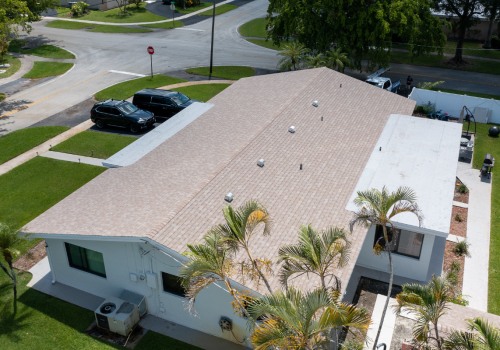
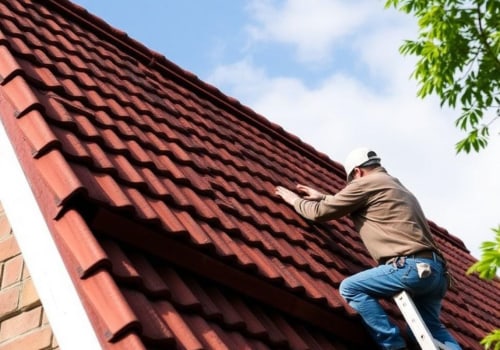
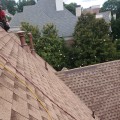
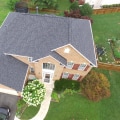
Roof restoration is a critical aspect of home maintenance that goes beyond simple repairs, focusing on extending the lifespan of the roof while preventing water-related problems. Over time, exposure to weather elements such as rain, heat, and wind can weaken roofing materials, making them more susceptible to leaks and structural damage. Restoration involves cleaning, repairing, and reinforcing the roof to restore its original strength and functionality. By addressing minor issues early, homeowners can avoid more extensive damage that often results from prolonged water exposure. This proactive approach not only protects the home but also helps maintain its overall value.
Identifying Vulnerable Areas and Early Warning Signs
Effective roof restoration begins with identifying areas that are most prone to water infiltration. Common trouble spots include damaged shingles, cracked flashing, and worn sealants around vents and chimneys. Homeowners should also look for signs such as discoloration, moss growth, or sagging sections, which may indicate underlying moisture problems. Regular inspections allow these issues to be detected before they escalate into major repairs. In many cases, professionals like Abacus can provide detailed assessments and recommend appropriate restoration strategies tailored to the specific condition of the roof. Early intervention is key to preventing long-term water damage and ensuring the roof remains structurally sound.
Implementing Effective Restoration Techniques
Once problem areas are identified, implementing the right restoration techniques is essential for preventing water-related issues. This may include replacing damaged shingles, resealing joints, and applying protective coatings that enhance the roof’s resistance to moisture. Roof coatings, in particular, create a barrier that prevents water from penetrating the surface while also reflecting heat, which can improve energy efficiency. Proper ventilation is another important factor, as it helps regulate temperature and reduce condensation that can contribute to moisture buildup. By combining these techniques, homeowners can significantly improve the durability and performance of their roofs.
Maintaining Drainage and Preventing Water Accumulation
A well-maintained drainage system is crucial for preventing water-related problems during and after roof restoration. Gutters and downspouts should be kept clear of debris to ensure that rainwater flows away from the roof efficiently. Blockages can cause water to pool on the roof, increasing the risk of leaks and structural damage. Additionally, ensuring that the roof has proper slope and drainage channels helps prevent standing water. Regular maintenance of these systems supports the effectiveness of restoration efforts and reduces the likelihood of recurring issues.
Long-Term Benefits of Proactive Roof Restoration
Investing in roof restoration provides significant long-term benefits by protecting the home from water damage and extending the lifespan of roofing materials. A restored roof is better equipped to withstand environmental stress, reducing the need for frequent repairs and lowering maintenance costs over time. It also enhances the overall appearance of the property, contributing to increased curb appeal and value. By adopting a proactive approach that includes regular inspections, effective restoration techniques, and proper drainage maintenance, homeowners can ensure that their roofs remain reliable and resilient. Ultimately, roof restoration is a smart investment that safeguards both the structure and comfort of the home for years to come.