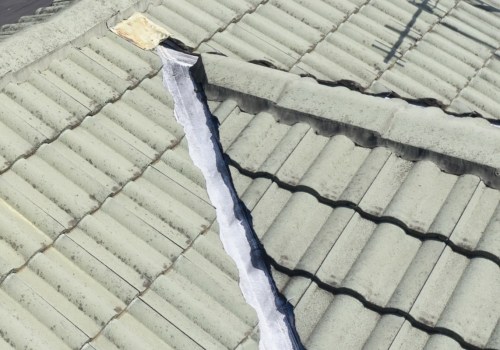
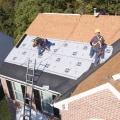
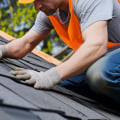
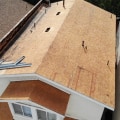
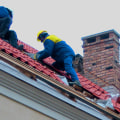
Many homeowners delay roof restoration because the damage may appear minor or manageable at first glance. Small leaks, aging shingles, minor flashing deterioration, or isolated moisture stains are often viewed as cosmetic concerns rather than warning signs of larger structural problems. However, roofing systems are constantly exposed to changing weather conditions, temperature fluctuations, moisture, and debris accumulation, which means even minor issues can gradually worsen over time. Timely roof restoration helps address these early signs of wear before they develop into expensive structural repairs that affect other parts of the home. In many cases, homeowners who act early are able to extend the life of their existing roofing system while reducing the likelihood of major future expenses related to water intrusion, insulation damage, or structural deterioration.
One of the primary reasons roof restoration reduces long-term maintenance costs is because moisture damage tends to spread quietly beneath the surface. A small roof leak may initially affect only a limited section of shingles or flashing, but over time, water can travel underneath roofing materials and penetrate decking, insulation, and attic spaces. This hidden moisture may eventually lead to wood rot, mold growth, weakened structural supports, or interior ceiling damage. Once these secondary issues develop, repair costs increase significantly because contractors must address not only the roofing materials but also the underlying structural and interior damage caused by prolonged exposure to moisture. Timely restoration allows roofing professionals to identify and repair vulnerable areas before widespread deterioration occurs.
Extending Roof Lifespan Through Preventive Restoration
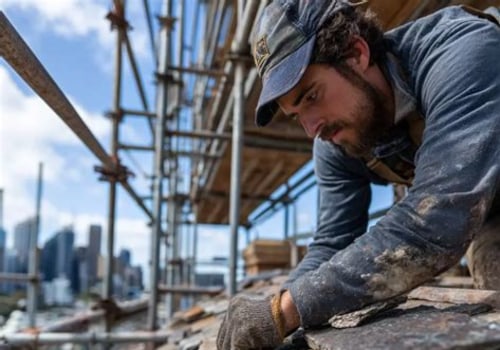
Roof restoration also plays an important role in extending the overall lifespan of roofing materials. Exposure to sunlight, humidity, wind, and seasonal storms gradually weakens shingles, sealants, underlayment, and flashing systems. As roofing materials age, they become more vulnerable to cracking, curling, water penetration, and storm damage. Restoration projects often involve repairing damaged sections, reinforcing weak areas, resealing vulnerable penetrations, and improving drainage performance to help preserve the integrity of the roof. These preventive measures can delay the need for a full roof replacement, which is typically far more expensive than ongoing maintenance and restoration work.
Ventilation improvements are another overlooked aspect of roof restoration that can contribute to lower long-term maintenance costs. Poor attic ventilation can trap heat and moisture beneath the roof, accelerating material deterioration and increasing the risk of mold or insulation damage. During restoration projects, roofing professionals may evaluate airflow systems to ensure the attic remains properly ventilated throughout the year. Balanced ventilation helps reduce excessive heat buildup, limits condensation, and improves energy efficiency within the home. A company such as A1 Roofing Services IA may inspect not only visible roof damage but also underlying ventilation and moisture issues that could contribute to future maintenance problems if left unresolved.
Preventing Emergency Repairs and Interior Damage
Another major financial advantage of timely roof restoration is the reduced likelihood of emergency repairs. Roof failures rarely happen all at once. Most major leaks or storm-related collapses begin as smaller unresolved issues that gradually weaken the roofing system over time. When homeowners postpone maintenance for too long, severe weather events can suddenly expose these weak points and create urgent repair situations that are far more disruptive and costly. Emergency repairs often require immediate labor, temporary protective measures, and rapid material replacement, all of which can increase overall expenses compared to scheduled restoration work completed under normal conditions.
Interior home damage is also closely connected to delayed roof maintenance. Water entering through compromised roofing areas can damage ceilings, drywall, flooring, electrical systems, and personal belongings. In some cases, homeowners may spend far more repairing interior spaces than they would have spent addressing the roof issue early. Timely roof restoration helps create a protective barrier that prevents moisture from reaching the interior structure of the home. By identifying early warning signs, reinforcing vulnerable areas, and maintaining proper drainage and ventilation, homeowners can reduce long-term maintenance costs while preserving both the structural integrity and overall value of their property for years to come.