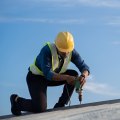
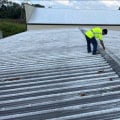
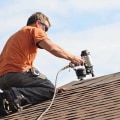
Roof restoration is often viewed as a structural upgrade focused on replacing shingles, repairing leaks, and improving weather resistance, but it can also involve important electrical system considerations. Many components tied to the roof—such as attic wiring, ventilation fans, lighting, and even solar panel connections—are directly affected during restoration projects. Ignoring these elements can lead to inefficiencies or safety risks, making it essential to evaluate how roofing work interacts with the home’s electrical infrastructure. A well-coordinated approach ensures that both systems function together safely and effectively.
Inspecting Electrical Components in the Attic
During roof restoration, the attic becomes a key area of focus, as it often houses electrical wiring and fixtures that may be exposed or affected by the work. Damaged insulation, moisture intrusion, or aging wires can pose risks that need to be addressed before restoration is completed. Roof leaks, in particular, can compromise electrical components over time, increasing the likelihood of short circuits or fire hazards. Conducting a thorough inspection allows professionals to identify these issues and determine whether repairs or upgrades are necessary.
Addressing Wiring and Safety Concerns
In some cases, roof restoration projects reveal the need for electrical updates, especially in older homes with outdated wiring systems. When structural components are opened or replaced, it provides an opportunity to assess whether the electrical system meets current safety standards. Upgrades such as home rewiring in Fort Worth may be recommended to ensure that the system can handle modern energy demands and operate safely alongside the restored roof. Addressing these concerns during the restoration process helps prevent future complications and enhances overall home safety.
Integrating Ventilation and Electrical Features
Roof restoration often includes improvements to ventilation systems, such as installing or upgrading attic fans. These features rely on proper electrical connections to function efficiently. Ensuring that these systems are correctly wired and integrated into the home’s electrical network is essential for maintaining airflow and preventing moisture buildup. Proper coordination between roofing and electrical work ensures that ventilation systems operate effectively, contributing to both energy efficiency and structural protection.
Supporting Energy Efficiency and Modern Upgrades
Modern roof restoration projects may also involve energy-efficient upgrades, such as installing solar panels or improving insulation. These enhancements require careful coordination with the home’s electrical system to ensure compatibility and optimal performance. Proper planning allows homeowners to take full advantage of these upgrades, reducing energy costs and increasing sustainability. By aligning roofing and electrical improvements, restoration projects can deliver both immediate and long-term benefits.
Preventing Future Issues Through Coordination
Failing to consider electrical systems during roof restoration can lead to problems that require additional repairs later on. Misaligned wiring, inadequate connections, or overlooked damage can compromise the effectiveness of both systems. By addressing these issues during the restoration process, homeowners can avoid costly rework and ensure that all components function as intended. This proactive approach supports a smoother project timeline and more reliable results.
Achieving a Comprehensive Restoration Outcome
Ultimately, roof restoration is not just about improving the exterior of a home—it is about ensuring that all related systems work together seamlessly. By considering electrical components, addressing potential issues, and integrating modern upgrades, homeowners can achieve a more comprehensive and effective restoration. This holistic approach enhances safety, efficiency, and long-term performance, making it a valuable investment in the overall health of the home.