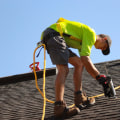
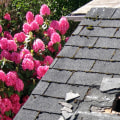
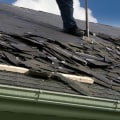
One of the clearest signs that a home may be ready for roof restoration is visible wear across the roofing surface. Shingles may begin to curl, crack, loosen, or lose their protective granules after years of exposure to sun, wind, rain, and temperature changes. Metal roofing may show signs of fading, surface corrosion, or weakened fasteners. These issues do not always mean a complete roof replacement is necessary. If the main structure is still in good condition, restoration may help address aging materials, reinforce vulnerable areas, and extend the useful life of the roof.
Recurring Leaks and Water Stains
Water stains on ceilings or walls can indicate that moisture is entering through damaged or weakened sections of the roof. Small leaks may develop around flashing, vents, skylights, or roof penetrations before becoming more serious. If repairs have been made several times but leaks continue to return, it may be worth evaluating the entire roofing system rather than fixing isolated areas. Repeated water intrusion can eventually affect insulation, drywall, framing, and interior finishes, so addressing the underlying roof condition early can help prevent more extensive damage.
Moss, Algae, and Organic Growth
Moss, algae, and other organic growth can make a roof look older while also contributing to moisture retention. Moss can grow beneath or between roofing materials and may cause sections to lift or deteriorate over time. Dark streaks caused by algae can also affect the appearance of the roof. Cleaning and restoration treatments may help improve the roof’s condition when structural damage is limited. Homeowners should avoid aggressive cleaning methods that could damage shingles or protective coatings and instead use techniques appropriate for the specific roofing material.
Problems With Gutters and Drainage
Roof condition and gutter performance are closely connected. If gutters frequently fill with roofing granules, pieces of shingles, or other debris, the roof surface may be deteriorating. Poor drainage can also allow water to back up along roof edges or fascia boards. Companies such as Spartina Seamless Gutters SC Lowcountry may be considered when homeowners are addressing gutter and drainage concerns alongside broader roof maintenance. Ensuring that rainwater moves efficiently away from the structure can help reduce moisture exposure around roof edges, siding, and the foundation.
Faded or Uneven Appearance
A roof that has become noticeably faded, stained, or uneven can make the entire property appear older. Weather exposure often causes coatings and roofing materials to lose their original appearance gradually. Restoration may involve cleaning, repairing damaged sections, resealing vulnerable areas, or applying protective coatings when appropriate. These improvements can refresh the roof visually while also adding another layer of protection against weather and ultraviolet exposure.
Increasing Indoor Temperature Problems
Changes in indoor comfort can sometimes point to roofing issues. If upper rooms become unusually hot during summer or difficult to keep warm during cooler months, problems with roof ventilation, insulation, or surface deterioration may be contributing factors. Restoration work may include addressing ventilation or sealing concerns as part of a larger roof assessment. Improving these areas can help the roofing system perform more efficiently and support better indoor temperature control.
Frequent Minor Repairs
When homeowners find themselves repeatedly scheduling small roof repairs, it may indicate that the system is aging as a whole. Replacing individual shingles or sealing isolated leaks can solve immediate problems, but frequent issues in different areas may suggest broader deterioration. A professional inspection can help determine whether restoration is appropriate or whether replacement should be considered.
Knowing When to Schedule an Inspection
Roof restoration can be a practical option when the roof remains structurally sound but shows widespread signs of age, weathering, or minor damage. Regular inspections make it easier to identify problems before they become severe. By monitoring leaks, roofing materials, drainage, appearance, and indoor comfort, homeowners can make more informed decisions about maintenance and help protect their property for the years ahead.