Roof restoration is often associated with extending the lifespan of an existing roof and addressing visible signs of wear and deterioration. While those are certainly important benefits, roof restoration can also play a much larger role in comprehensive property improvement strategies. Rather than serving as an isolated maintenance project, roof restoration often influences decisions involving energy efficiency, structural preservation, exterior upgrades, and long-term property management. For homeowners and property owners seeking to maximize the value of their investments, roof restoration can become a key component of a broader contracting plan that supports the overall health and performance of the property.
Protecting the Building From Long-Term Damage
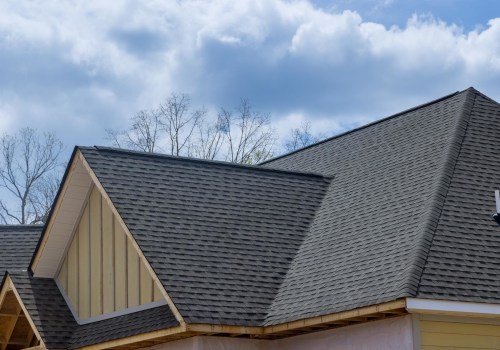
One of the primary ways roof restoration supports larger property improvement goals is by protecting the structure from future damage. The roof serves as the first line of defense against weather-related threats such as rain, wind, sunlight, snow, and temperature fluctuations. Over time, even minor roofing issues can allow moisture to penetrate the building envelope, leading to damage in insulation, framing, ceilings, and interior finishes. Roof restoration helps address these vulnerabilities before they escalate into larger structural concerns. By preserving the integrity of the roofing system, property owners reduce the likelihood of costly repairs that could affect multiple areas of the building.
Supporting Energy Efficiency Initiatives
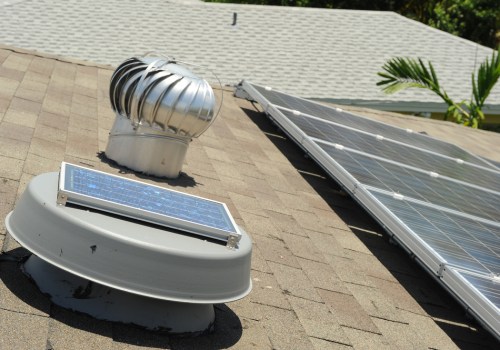
Modern roof restoration projects frequently contribute to improved energy performance. During the restoration process, contractors often identify opportunities to enhance ventilation, improve insulation effectiveness, and reduce heat absorption. These improvements can help regulate indoor temperatures more effectively and lessen the workload placed on heating and cooling systems. As part of broader property improvement plans, roof restoration complements other energy-efficiency measures such as window upgrades, attic improvements, and HVAC enhancements. When these systems work together, property owners often experience improved comfort and potentially lower operating costs.
Coordinating Exterior Renovation Efforts
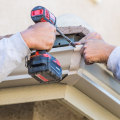
Roof restoration projects frequently serve as a catalyst for additional exterior improvements. Once homeowners begin evaluating the condition of their roofing systems, they often assess related components such as gutters, siding, soffits, fascia boards, drainage systems, and exterior paint. Coordinating these services within a single property improvement plan can create efficiencies in scheduling, labor, and project management. Contractors often recommend addressing multiple exterior systems simultaneously to ensure compatibility and reduce the need for future disruptions. This integrated approach allows property owners to achieve a more cohesive and well-maintained appearance while maximizing the effectiveness of each improvement.
Strengthening Long-Term Maintenance Strategies
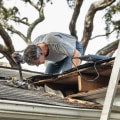
Another important benefit of roof restoration is its role in preventive maintenance planning. Restoring an existing roof provides contractors with an opportunity to conduct detailed inspections and identify potential issues that may affect the property in the future. Structural weaknesses, drainage concerns, moisture-related problems, and aging materials can often be detected during the restoration process. Companies such as Terry Brodnik Group understand that addressing these concerns proactively helps property owners avoid larger expenses later while supporting a more strategic approach to ongoing maintenance. This focus on prevention aligns roof restoration with broader property preservation goals.
Enhancing Property Value and Market Appeal
Roof condition is one of the factors most frequently evaluated by prospective buyers, appraisers, and inspectors. A professionally restored roof can improve a property's appearance, demonstrate responsible maintenance practices, and contribute to overall marketability. Property owners who invest in roof restoration often find that the project complements other upgrades by creating a stronger impression of quality and care. This can be especially valuable when preparing a property for sale or seeking to maximize long-term value.
A Key Part of Comprehensive Property Improvement
Ultimately, roof restoration supports far more than the roof itself. It contributes to structural protection, energy efficiency, maintenance planning, exterior improvement coordination, and property value preservation. When incorporated into a broader contracting strategy, roof restoration becomes an important tool for achieving long-term property improvement goals. By viewing roof restoration as part of a comprehensive maintenance and renovation plan, property owners can create stronger, more efficient, and more resilient buildings that continue to perform well for years to come.